Iwate, Volcano in Hachimantai, Japan
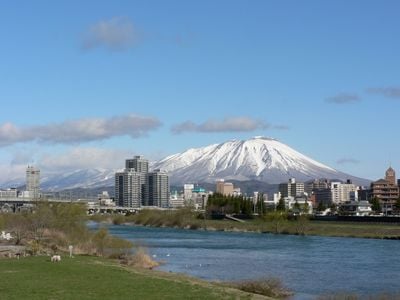
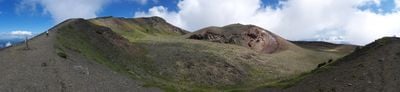
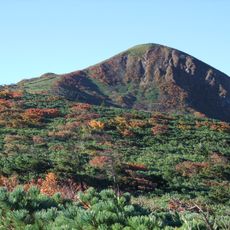
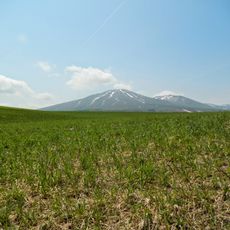
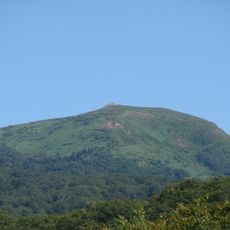
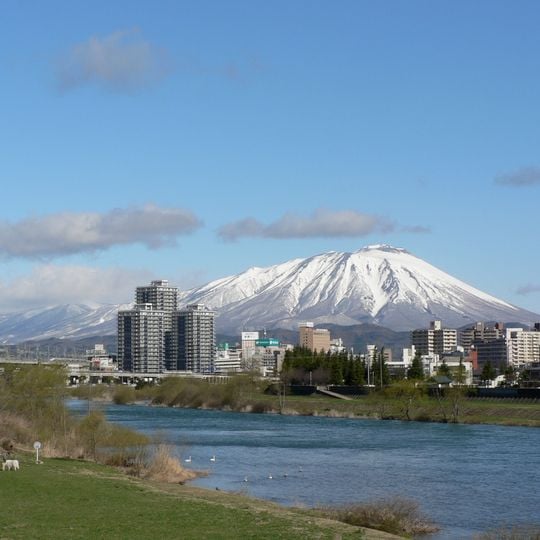
Mount Iwate is a stratovolcano in Iwate Prefecture divided into two main sections called Higashi-Iwate and Nishi-Iwate. The summit reaches 2,038 meters, and a caldera shapes the center of the western portion.
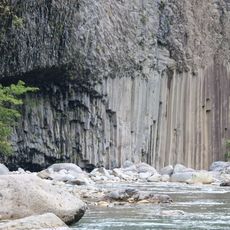
The volcano erupted in 1732 and produced a lava flow known as Yakebashiri. This flow was later recognized as a Natural Monument and marks the most recent major activity.
This peak is known locally as Nanbu Fuji because its cone resembles the country's most famous summit. People in the surrounding towns use it as a landmark and call it one of their hometown mountains.
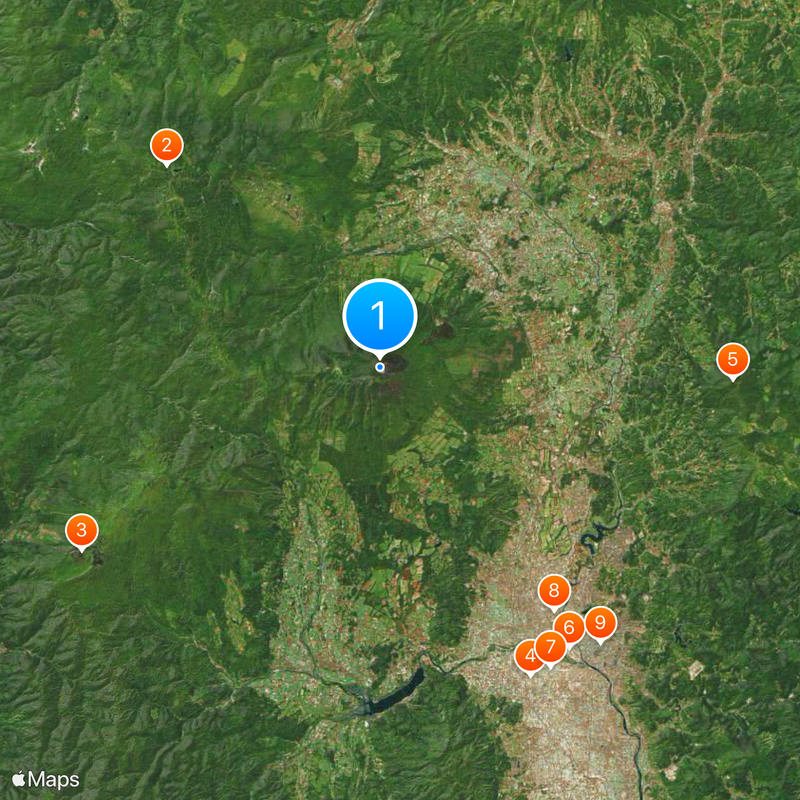
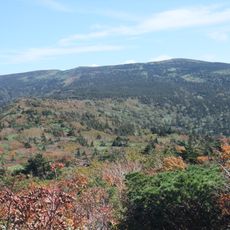
Several hiking trails run through Towada-Hachimantai National Park to the summit and connect the towns of Hachimantai, Takizawa, and Shizukuishi. Routes vary in difficulty and offer different starting points for climbers with different levels of experience.
An oval crater lake named Onawashiro sits within the Nishi-Iwate caldera and measures 1.8 by 3 kilometers with a central hollow half a kilometer wide. The lake fills the floor of the caldera and offers visitors a rare sight within the volcanic terrain.
Komunita zvídavých cestovatelů
AroundUs spojuje tisíce vybraných míst, místních tipů a skrytých pokladů, které každý den obohacuje více než 60,000 přispěvatelů z celého světa.